Val de Vie Estate’s Nocturnal Wildlife
Humans are primarily diurnal; in other words, we are adapted to be active during the day. Our night vision is limited, so we rely on artificial light to get around in the dark. But did you know, as night falls, another group of residents becomes active on the Estate: the nocturnal inhabitants.
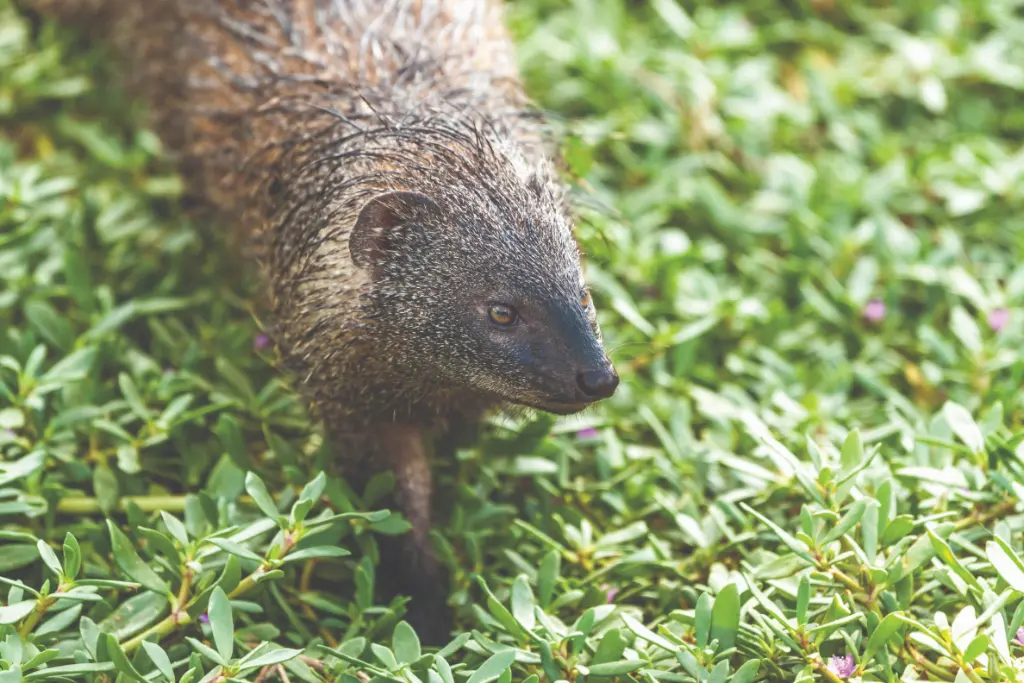
These nocturnal residents emerge at sunset and twilight. A common sight is the unmistakable silhouette of a spotted eagle owl perching in the open, ready to begin its evening biocontrol of rodents. At the same time, low-flying Cape serotine bats swoop over the wetter areas around the lakes, feasting on mosquitoes, while the higher-flying Cape horseshoe bat remains rarely seen. Along the lake and river shorelines, water mongooses forage for crabs and frogs, which have been overlooked by the Cape clawless otters.
As dusk gradually deepens, nocturnal birds also begin their hunt. Water and spotted thick-knees search for insects, while the African nightjar joins the bats in the evening aerial dance. With night fully set in, Cape polecats move through public open spaces and gardens, hunting mole crickets, grasshoppers, mice and even snakes, proving themselves formidable allies against pests. In the trees, common and large-spotted genets search for birds, rodents and reptiles, while Cape porcupines leave their stormwater drain lairs to feast on roots, bulbs and occasionally tree bark.
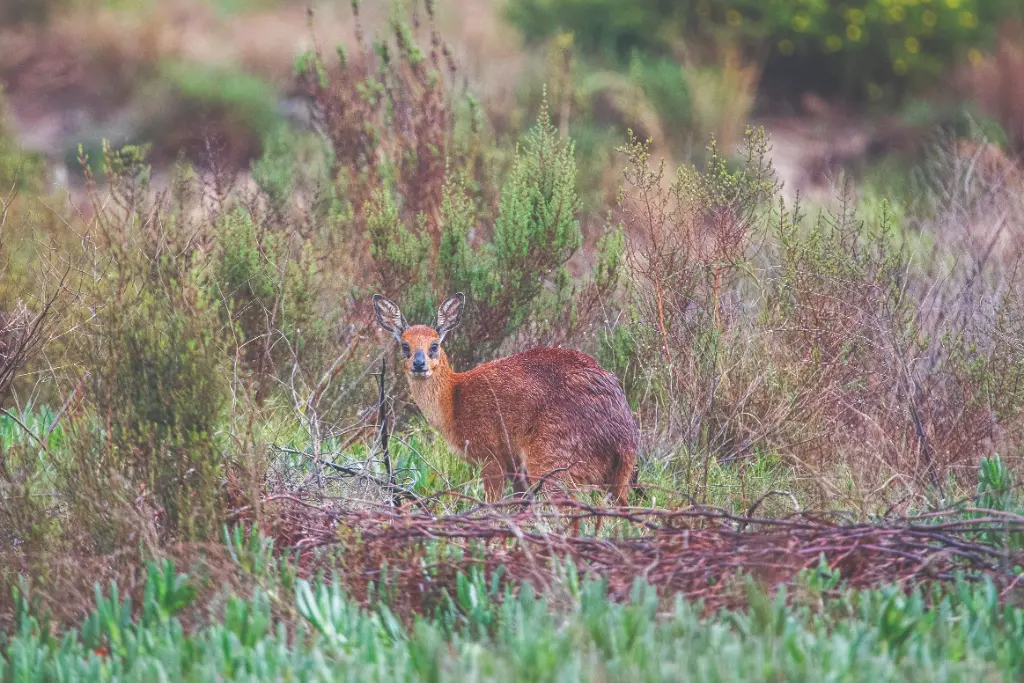
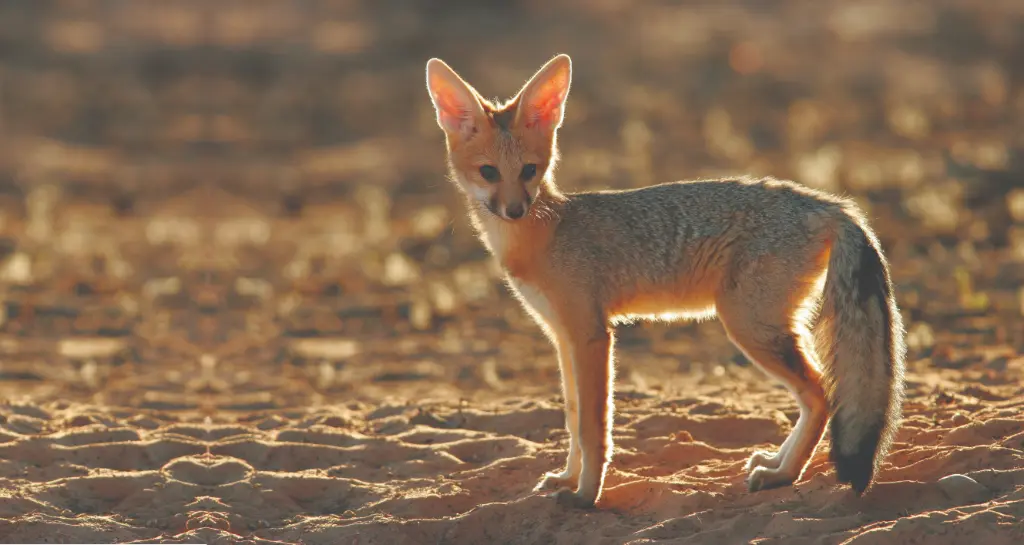
Later in the night, more sensitive species emerge. The elusive Cape fox and free-roaming antelope come out of hiding from their thickets, including the small Cape grysbok and the larger common duiker, which diligently prune the roses along Val de Vie Boulevard.
Perhaps the most obvious nocturnal residents are the myriad of insects, many drawn to artificial lights. Night-flying insects usually navigate by the moon or stars, keeping a constant angle to maintain a straight flight path. Artificial lights confuse them, causing them to spiral toward the lamp. Light pollution is considered one of the most insidious environmental issues, yet its full impact is still under study. Val de Vie Estate’s building code mitigates this by permitting only downward-facing external lights. If insects become a nuisance, turning off unused lights or installing red bulbs in patio fittings can help reduce their numbers.
Driving the Estate’s roads at night offers glimpses of this vibrant nightlife, but motorists are advised to take care. Night-adapted animals can be startled by bright lights, sometimes with lethal consequences.