Responsible Pet Ownership
It has been said that ‘with great power comes great responsibility’, and there is no greater power than caring for another living creature. Our pets rely on us for living space, food and attention to their natural needs. In return, they provide companionship and loyalty.
To be a good pet owner, it is important to understand an animal’s physical and mental needs. This means the owner must spend time with the pet and actively care for it. If there is any doubt about being able to meet these needs, then owning a pet should be reconsidered. Another important factor is cost. Owning a pet can be expensive, as owners need to budget for proper food, medical bills and other costs.
While owning a pet teaches a child responsibility, adults still need to make sure the animal is cared for properly.
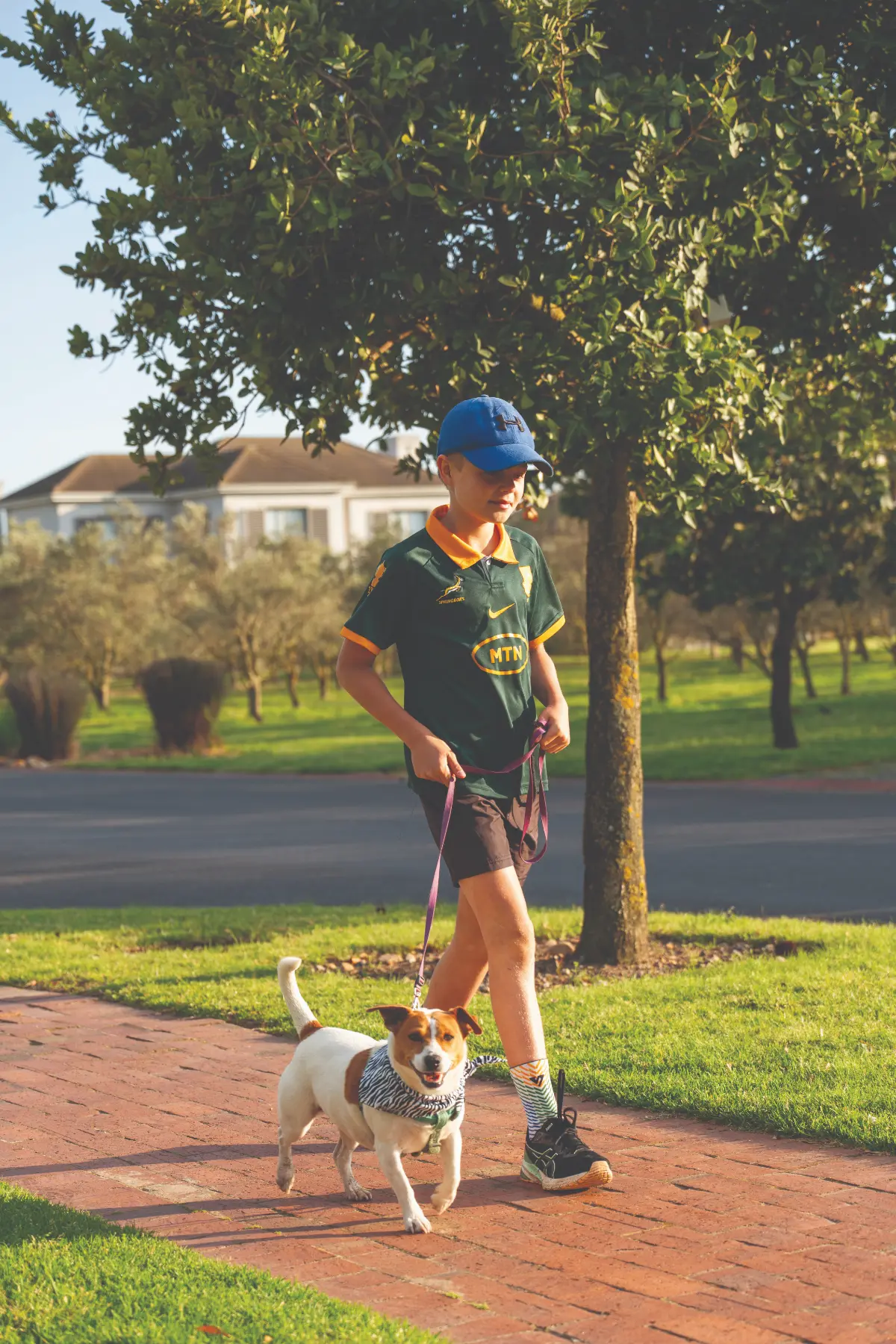
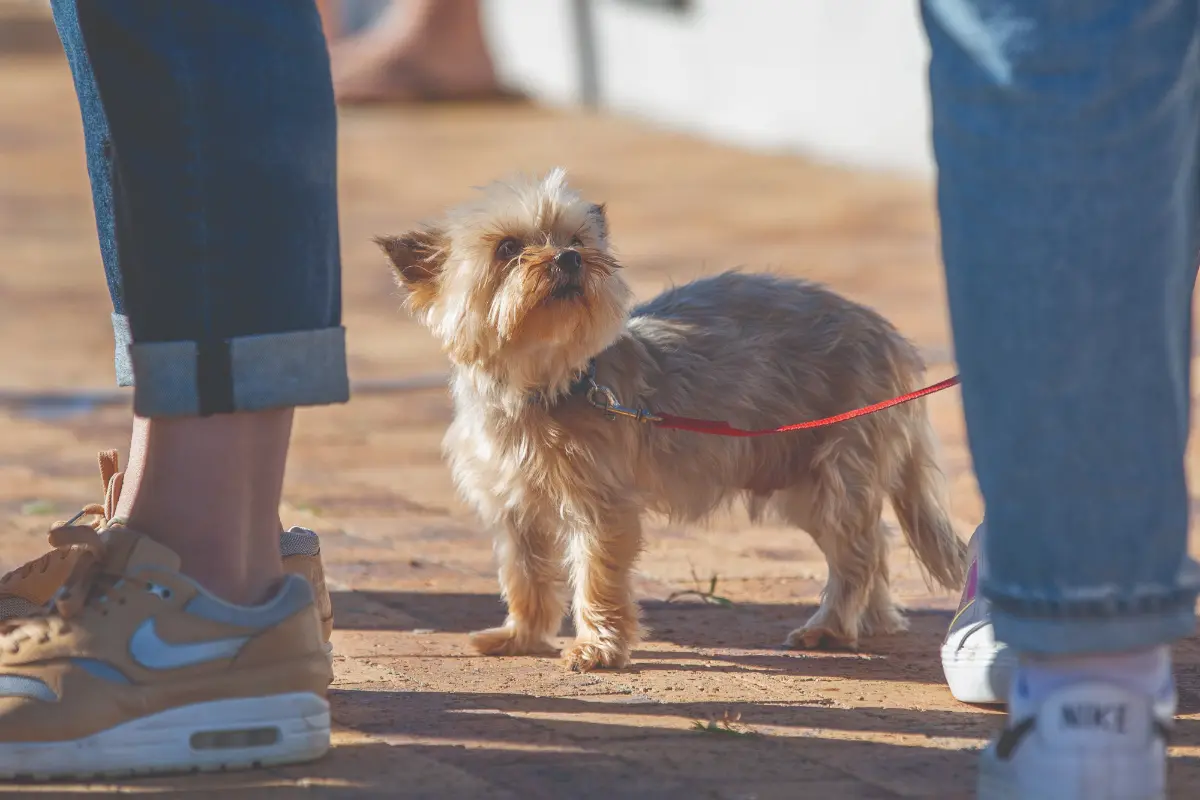
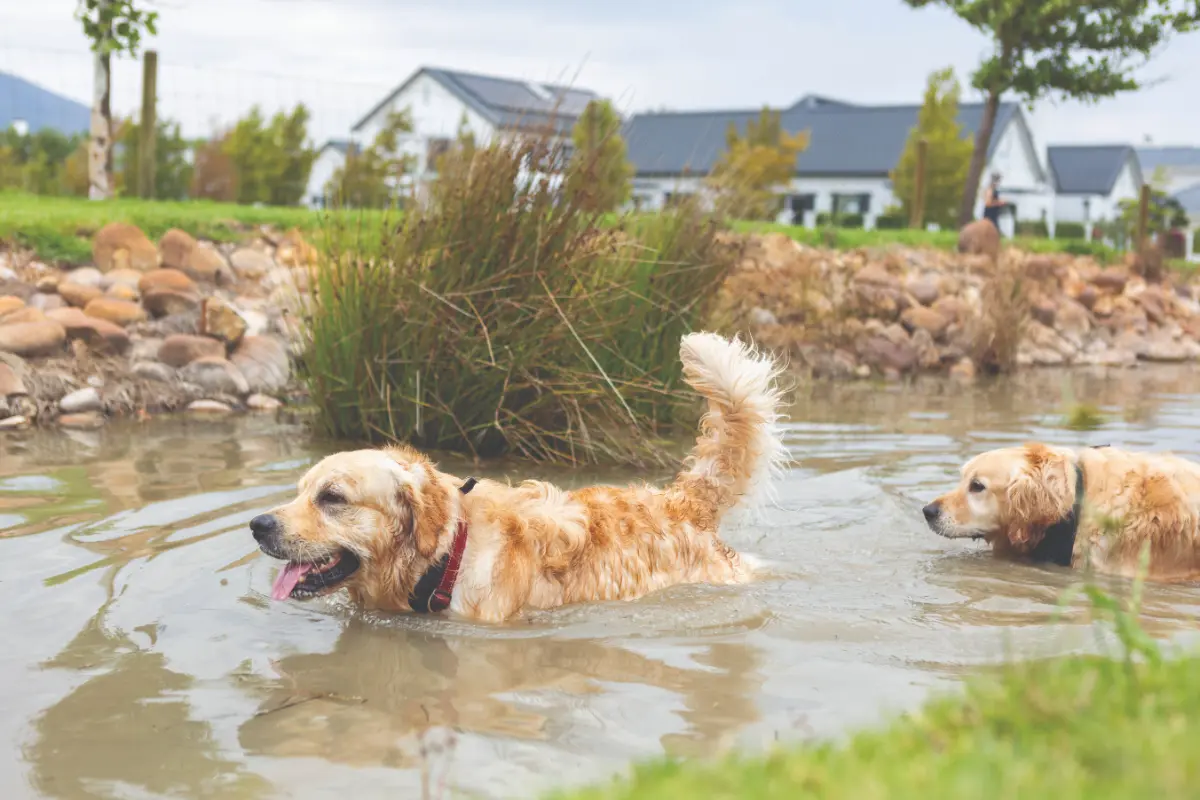
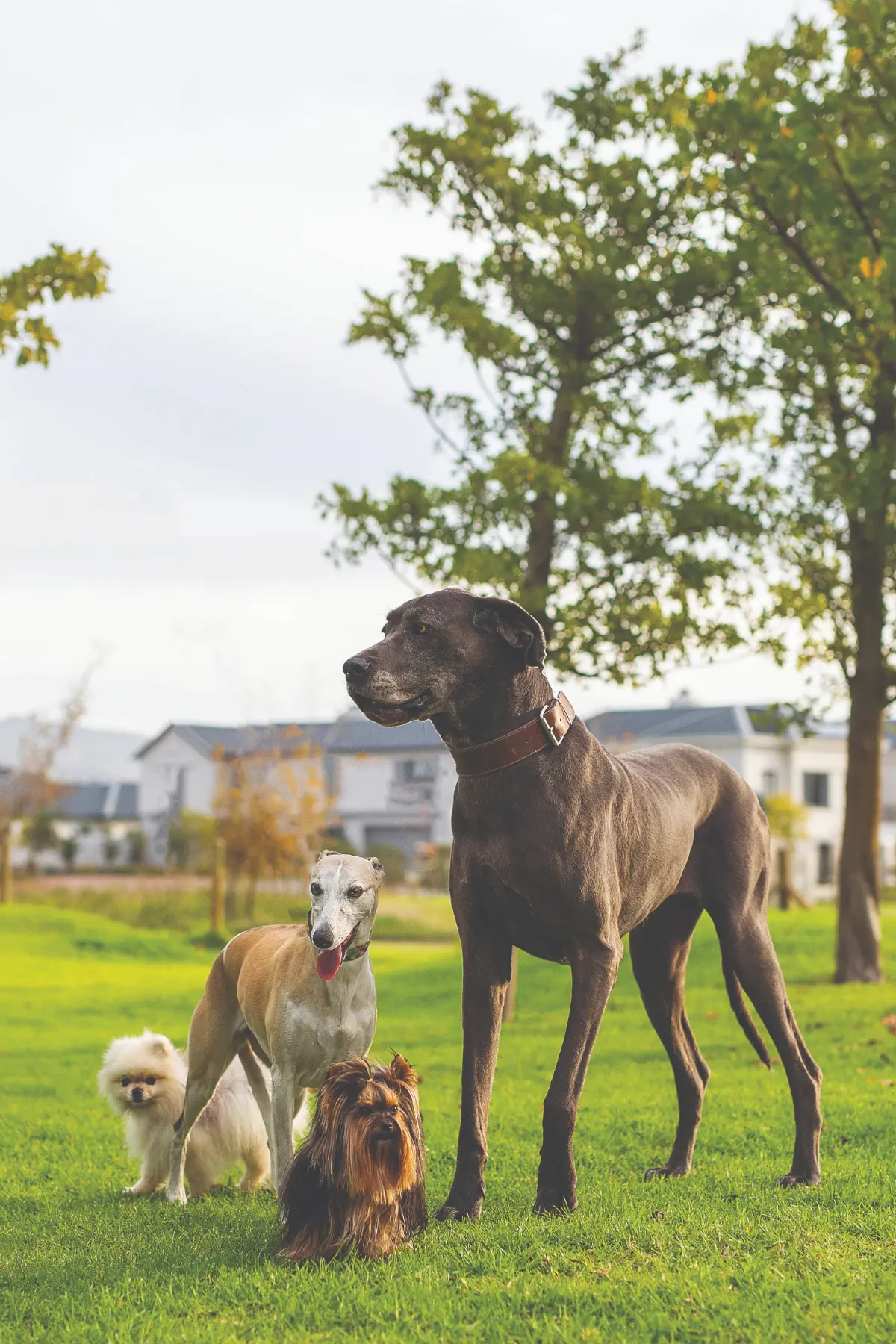
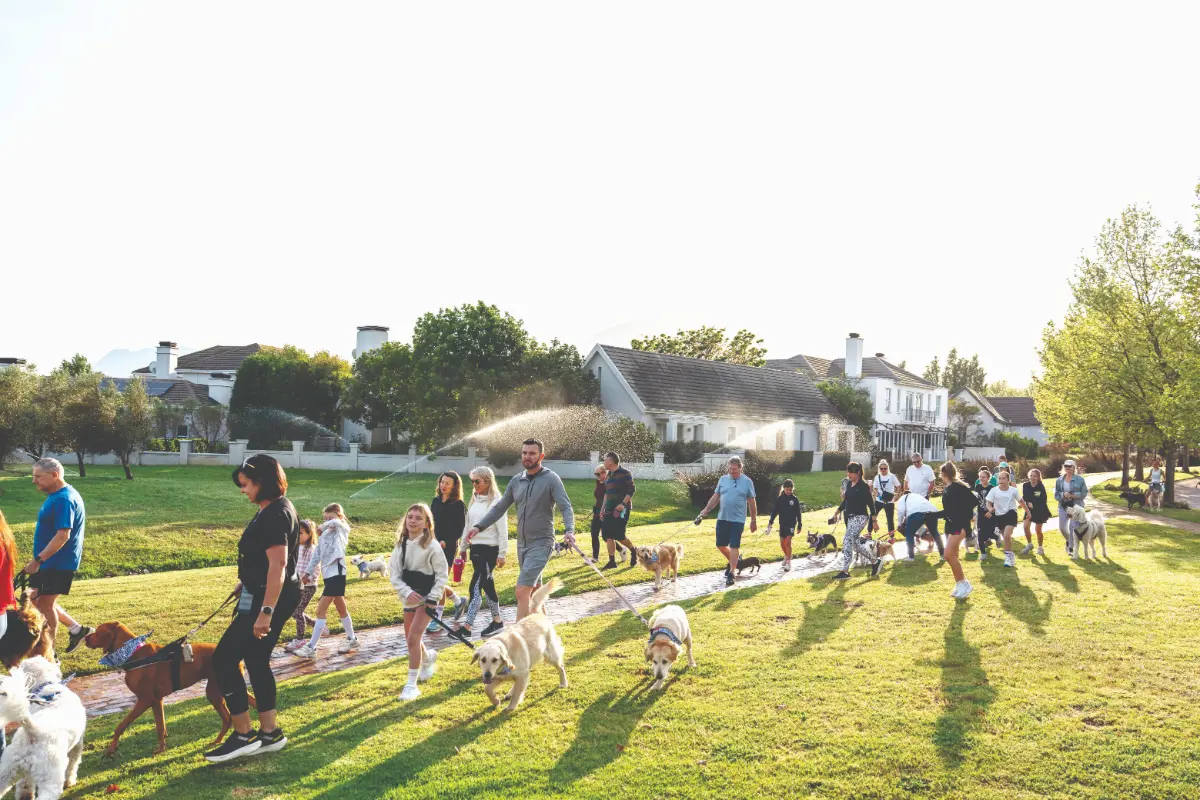
Larger animals such as horses and dogs need space to exercise properly, with daily outings to burn off energy and relieve boredom. This is especially true of working dog breeds. Dogs on walks need to be on a lead at all times and under the walker’s direct control. This protects the animal. While many dogs are well trained, others they encounter may not be, which can lead to serious confrontations. Bored or unsocialised dogs can also become a nuisance to neighbours through incessant barking or aggressive behaviour.
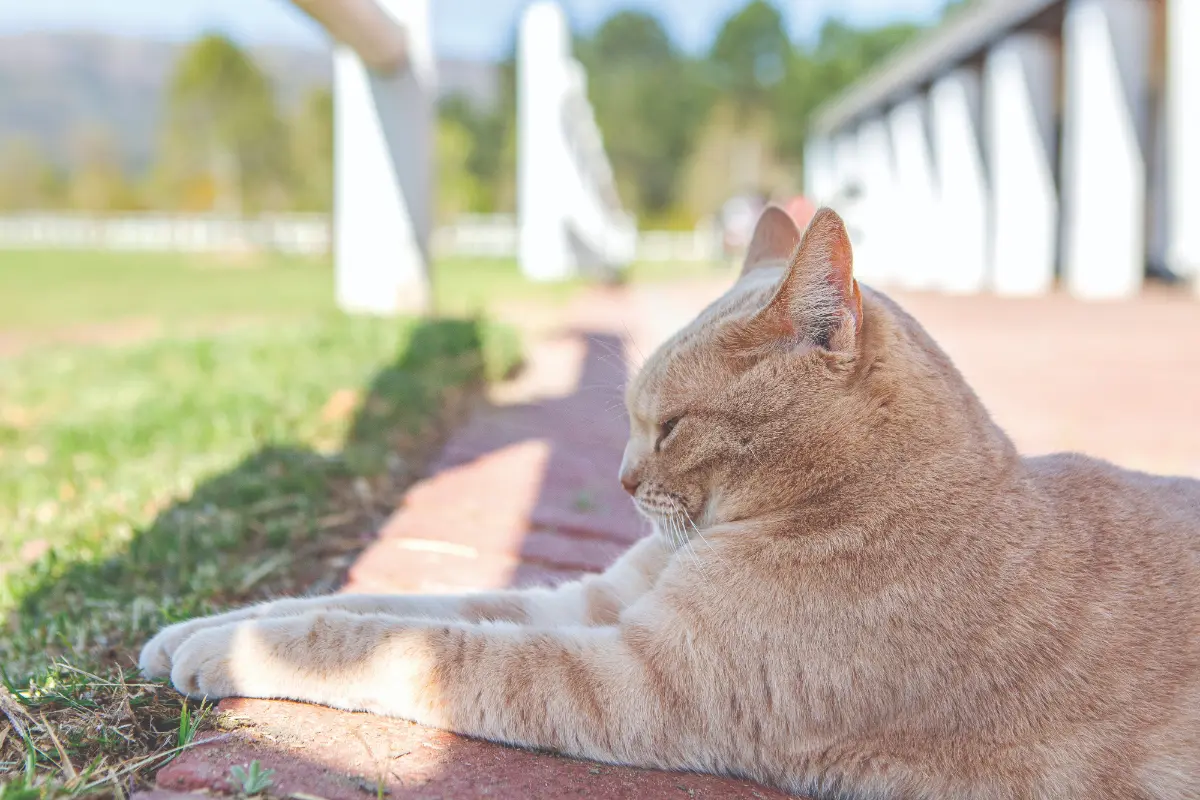
Because cats are less sociable than dogs, they are often seen as needing less care, which can lead to neglect and, often, the cat becoming a neighbourhood problem. Cats may travel long distances from home during their nightly perambulations, which puts them at risk of accidents and conflict with other cats and homeowners. Cats are also prolific breeders, so all pet cats should be sterilised to prevent unwanted breeding.
Pet rodents and rabbits need safe, clean accommodation and should not be allowed to roam freely in the garden, where they may burrow under fences and walls or wander off. The consequences of rabbits escaping can extend far beyond one garden. Australia’s widespread rabbit problem traces back to the release of 13 wild rabbits on a property in Victoria in 1859. Rabbits allowed to roam freely are also at risk of accidents, attacks by dogs and cats and health problems that may go unnoticed.
Taking full responsibility for the animals in our care is the only way to ensure they can live life to the full, which, after all, is part of living in the Valley of Life.
Source: www.nma.gov.au