A NEW FAMILY AT THE YARD
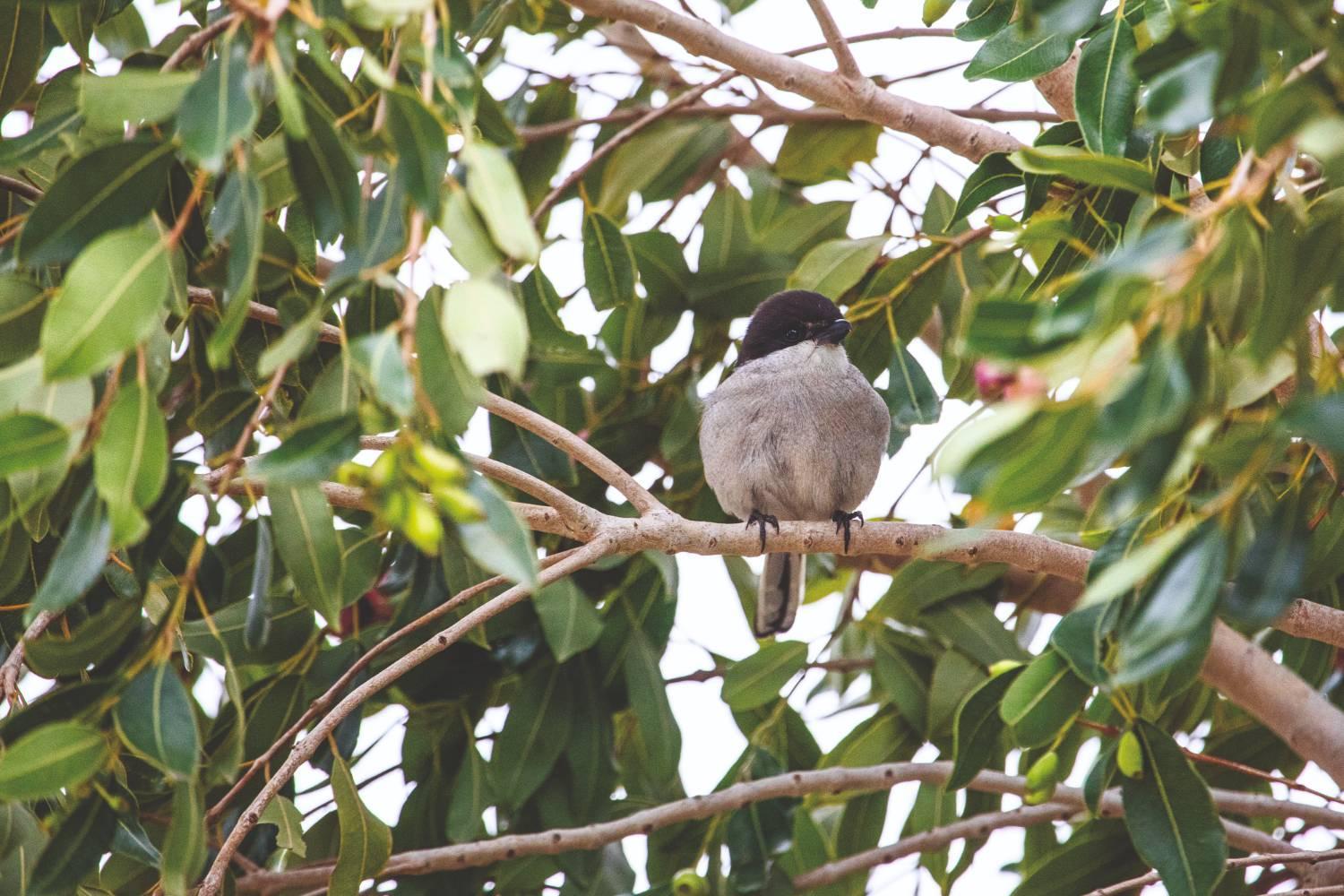
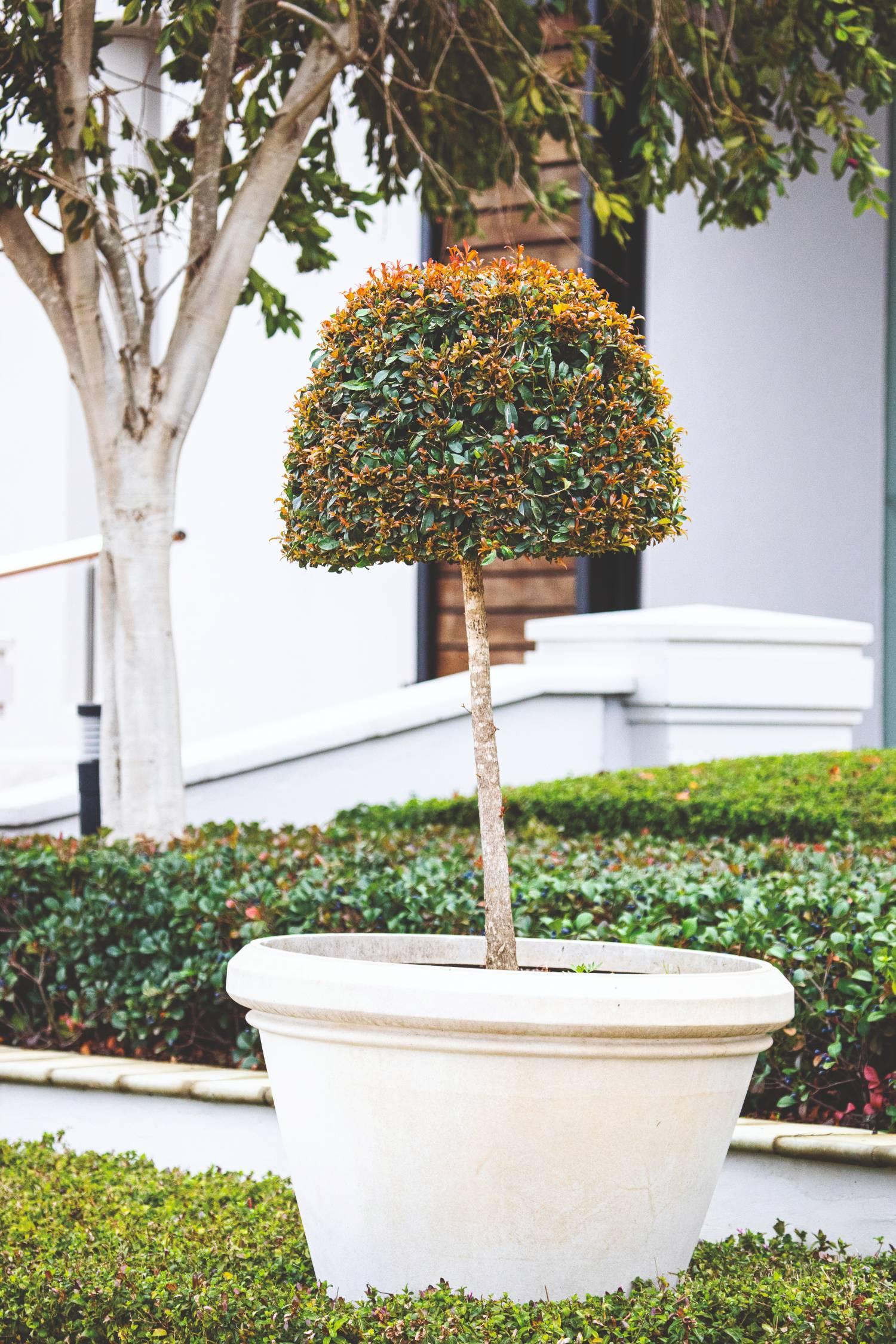
Right outside the main entrance to The Yard, the potted Eugenia ‘lollipop’ trees look structured and a tad uninteresting. But if you look closer, you will find a little secret developing in one of them. A pair of common fiscals have built a nest and laid eggs. They possibly chose the site as it is secure, and the foot traffic of visitors in and out of The Yard will keep birds of prey and cats away during the day. The Yard building and surrounding gardens will provide enough food for the young chicks, because of the limited competition.
This goes to prove that any opportunity will be utilised by wildlife and ‘if you build it, they will come!’
A FIELD OF DREAMS
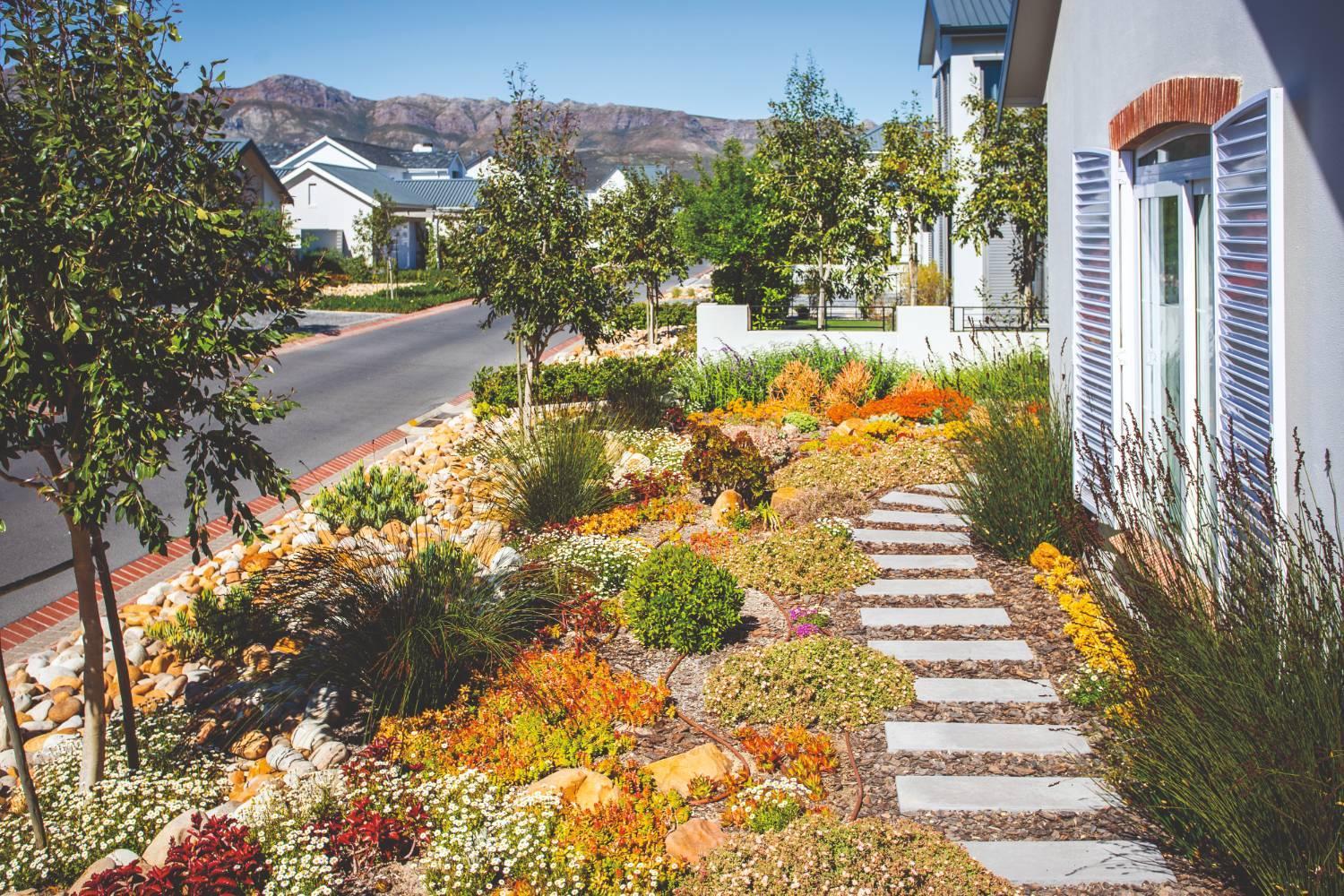
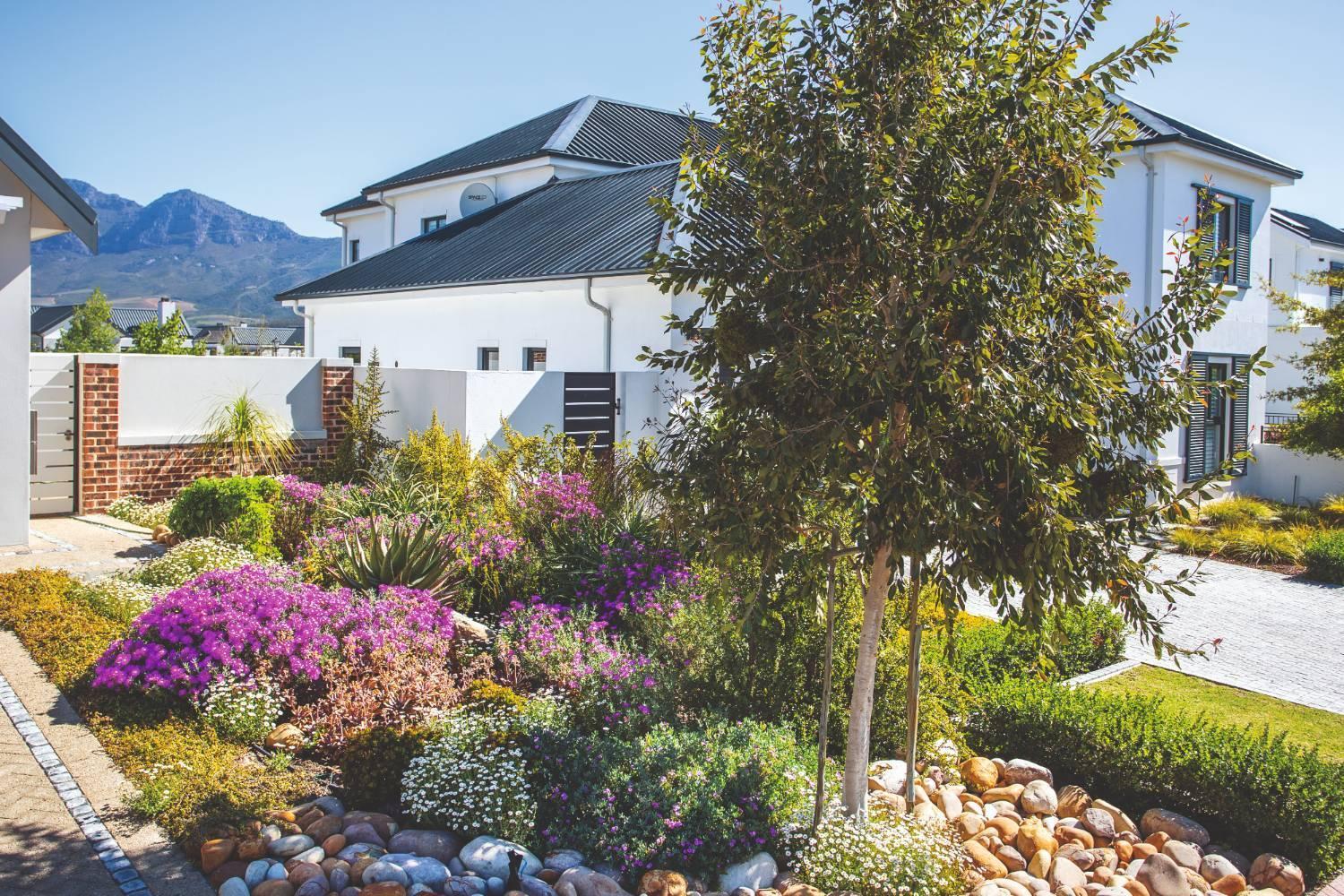
One of the purposes of developing a garden is to eventually end up with a thriving ecosystem that is largely self-sustaining, literally a ‘field of dreams’ where the owner can spend quality time in a natural area.
Most gardeners concentrate on plants, but, gardens rely on soil. Healthy soil will lead to healthy plants, so how does one improve the quality of soil? The answer is quite simple, compost. Inorganic chemical fertilisers, while they have their place, damage to the myriads of micro-organisms that are essential to plants, they are the bacteria and fungi that break down soil particles and humus (plant material) to release the elements the plant needs to grow. By adding compost, these organisms are initially brought into the ecosystem and multiply. Additional dressing not only increases the soil fertility, but balances the moisture in the soil, reducing the need and cost for irrigation. Healthy plants have built-in resistance to diseases and pests, again a reduction in cost and management.
A strong ecosystem needs biodiversity. While monocultures of one species of plant are acceptable in formal situations, the management needed to keep them this way is extensive. Mixed gardens, where different plants flower or bear fruit at different times, and complement each other, call for less intensive management.
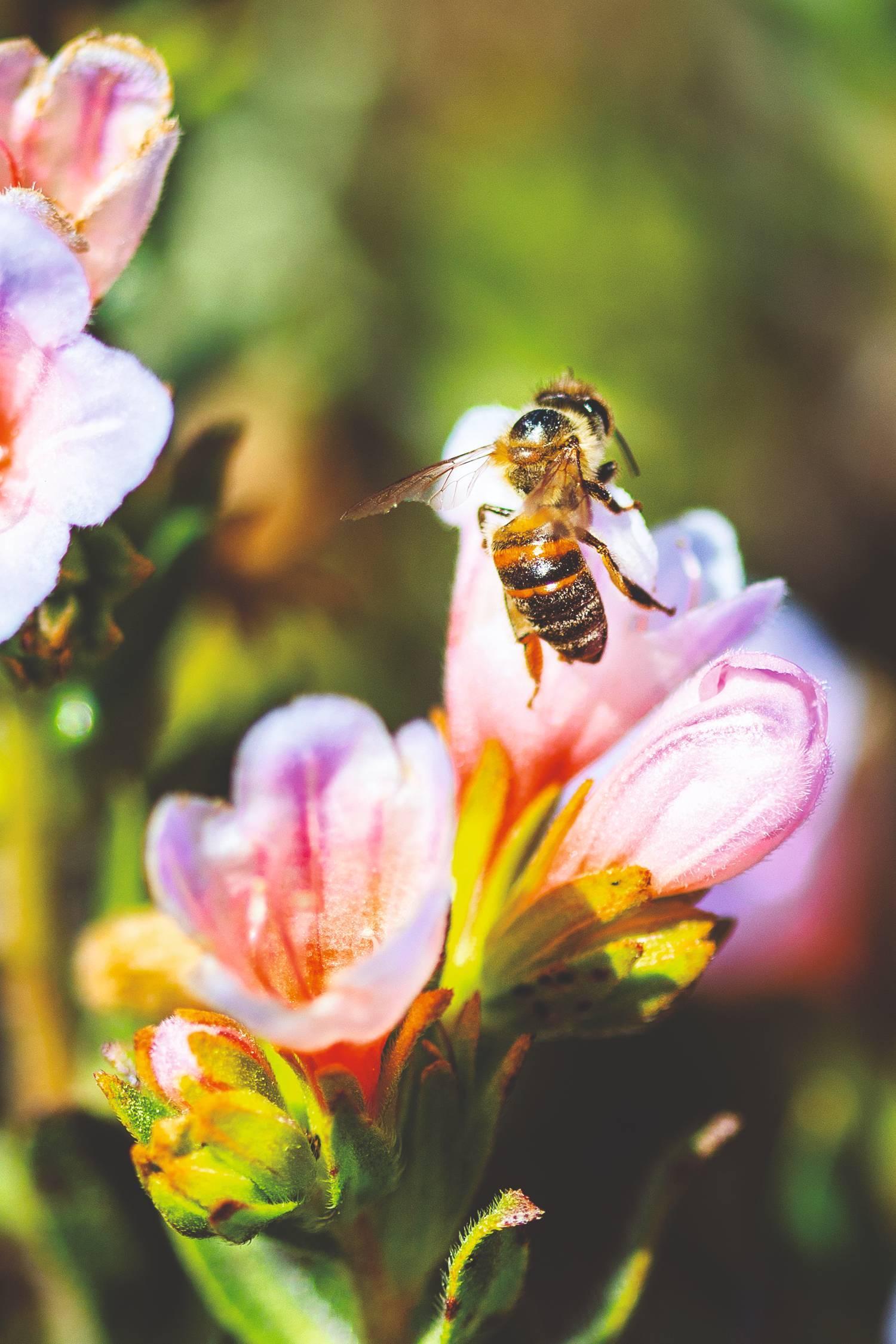
Speaking of flowers, not many people realise that as the flower is a plant’s advertisement for pollinators, the various colours will attract different pollinators, as these use different light wavelengths to see. A general rule of thumb is that –
Blues/ purples will attract bees
Yellows and oranges will attract butterflies
Red will attract birds
White, as this reflects all wave lengths of light will attract almost any pollinator.
Mixing various colours in the garden pallet will increase the biodiversity.
Once the animal life increases, so too will the number of predators increase, keeping the prey base number in check. Ladybirds, praying mantis, chameleons, lizards, frogs and birds all prey on insect pests, and they are an important addition to the complex food webs that develop. The fact that these prey also work 24 hours a day, seven days a week without pay is an added bonus, never mind the cost of expensive sprays that kill indiscriminately.
Building a garden is easy, the development of a sustainable field of dreams takes time, but when it is achieved, the hours spent in it pay back the time and effort a millionfold.