ON THE WINGS OF THE WIND
When looking for birds of prey, you need to venture further than the Estate’s perimeter. The Paarl-Franschhoek Valley, Wellington and Stellenbosch areas are home to the highest population of raptors in the Cape Winelands region. These beautiful predatory birds are spotted daily by our residents.
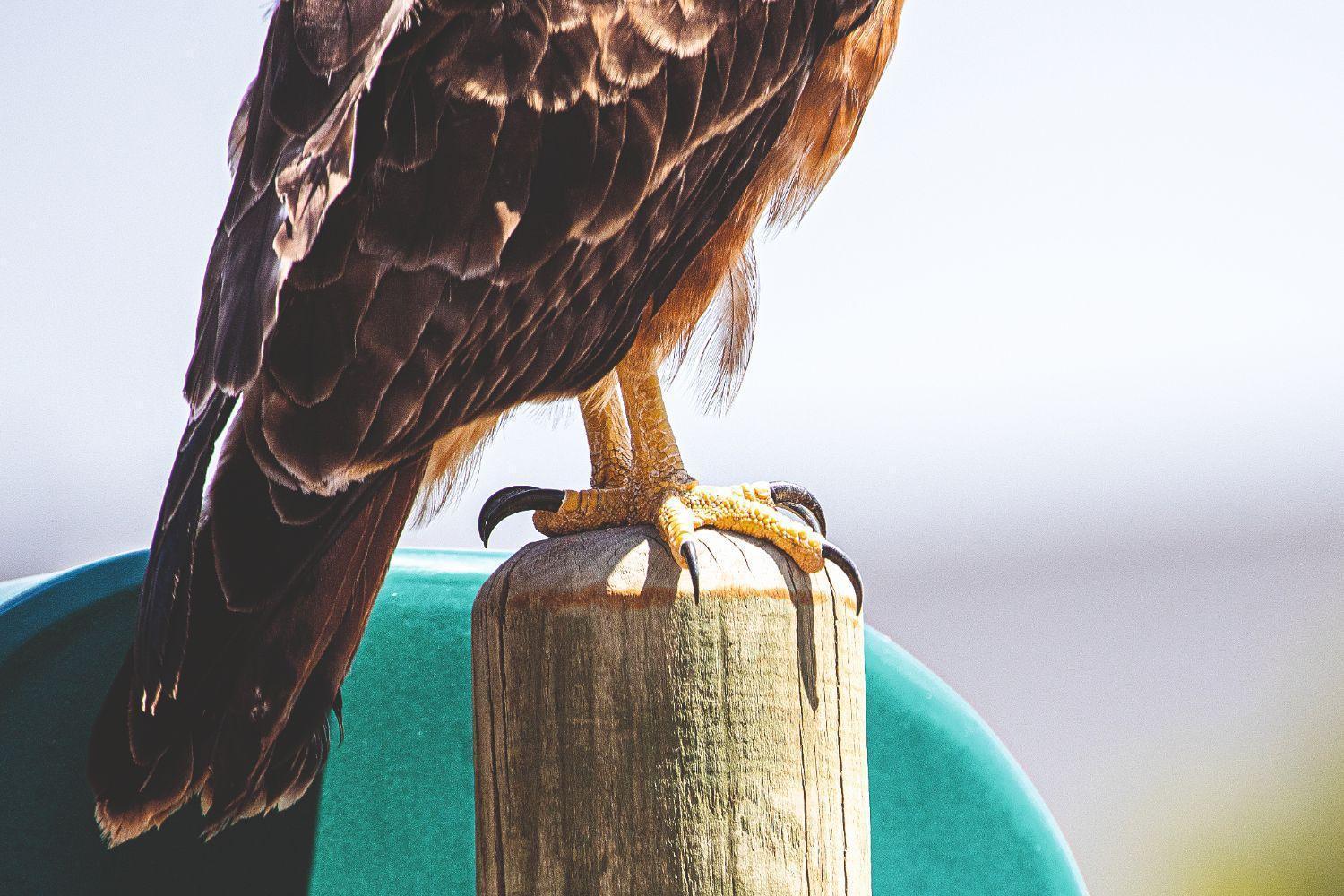
A raptor, commonly called a ‘bird of prey’, is generally regarded as a bird that hunts other animals. While many birds hunt insects, mice and reptiles, the term ‘raptor’ describes those that fall within the orders of Falconiformes (including vultures, eagles, buzzards, falcons, kites, harriers, sparrowhawks and goshawks) and Strigiformes, which are the owls. All birds of prey have hook-tipped beaks and sharp curved claws called talons (in non-predatory vultures, the talons are present but atrophied).
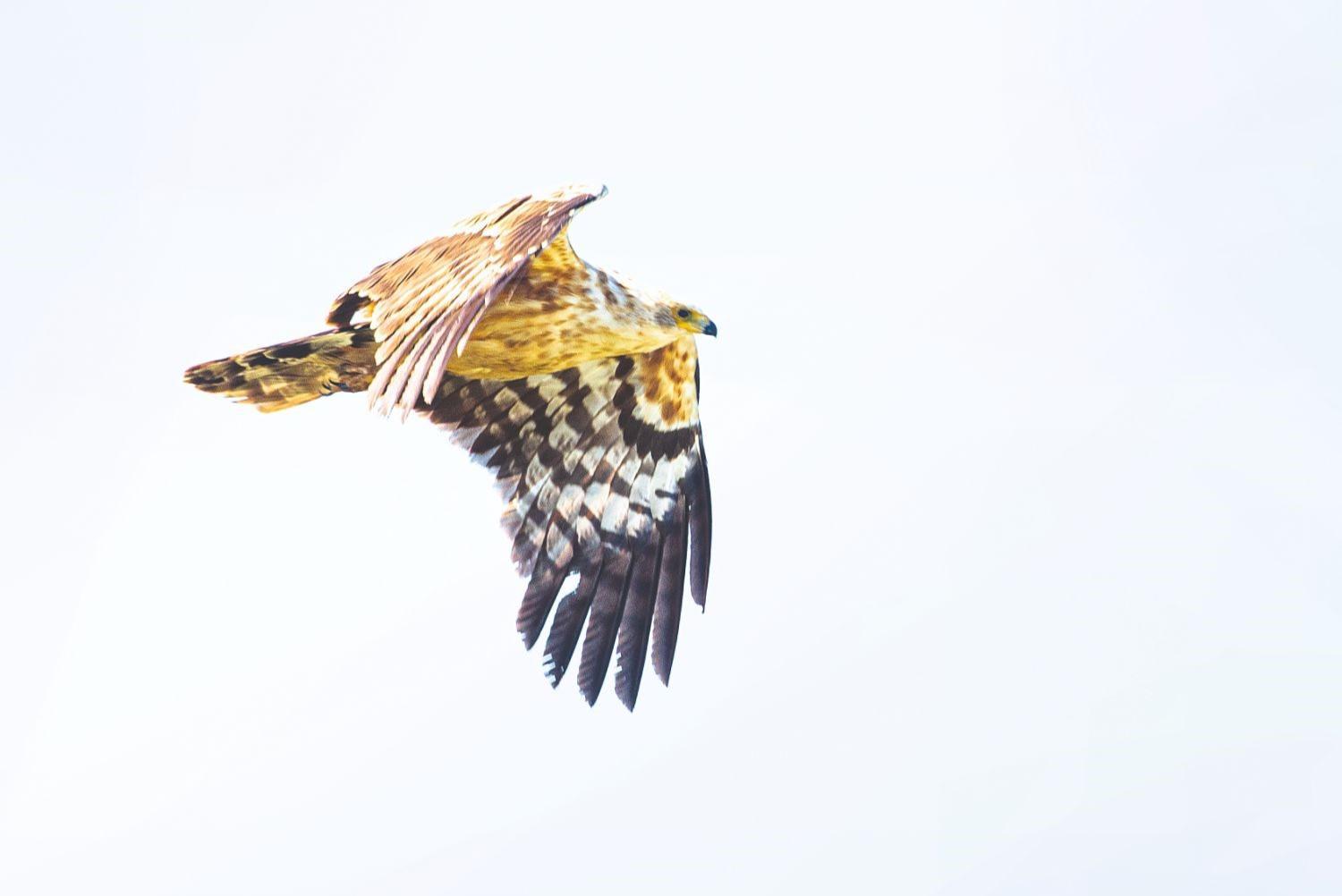
The patterned plumage of the jackal buzzard is most often spotted, as well as the yellow-billed kites, easily identified by a bright yellow beak and forked tail. Perched conspicuously along the roads, or more commonly hovering over natural areas, black-winged kites and common kestrels help control the rodent populations. More elusive are the two sparrowhawk species, which roost in close cover, occasionally dashing out on unsuspecting birds as they fly past.
Watching the harrier hawks raiding speckled pigeons or house sparrow nests around a neighbour’s house is always fascinating, as they appear clumsy. However, on closer inspection, their long legs and supple joints allow these contortionists to reach the smallest cavities while flapping and hanging onto the eaves. They, too, are a unique bio-control mechanism for what are often considered by homeowners to be ‘nuisance birds’.
At night, the deep hooting of the spotted eagle owls and the blood-curdling scream of barn owls indicate that the nocturnal rodent control team is at work. Owls are not as easily spotted as other raptors, as they are most active at night.
The sheer number and diversity of raptors on the Estate, as they are apex predators, is a beautiful indication of the ecosystem’s health. As the natural areas increase in biodiversity and mature, the number of raptors will increase. Hopefully, one day, in the not-too-distant future, the critically endangered black harrier will be found nesting here. With fewer than 1,000 breeding adults left in the population, that would be an extraordinary addition to our already impressive raptor list.
The list below indicates which species occur on the Estate and those positively identified as breeding here.
Martial eagle – Occasional visitor (probably sub-adults from the Karoo areas).
Verraux’s eagle – Occasional visitor (breeds in the surrounding mountains).
Booted eagle (pale morph) – Breeding summer migrant
Black sparrowhawk – Breeding resident
Rufous-breasted sparrowhawk – Breeding resident
Jackal buzzard – Breeding resident
Common buzzard – Breeding summer migrant
Yellow-billed kite – Breeding summer migrant
African fish eagle – Two pairs breeding in the area
Black harrier – Occasional visitor
Black-winged kite – Breeding resident.
African harrier hawk – Breeding resident
Peregrine falcon – Occasional visitor (breeds in surrounding mountains and probably visits due to the number of speckled pigeons).
Lanner falcon – Non-breeding visitor
Common kestrel – Non-breeding visitor
Lesser kestrel – Non-breeding migrant
Spotted eagle owl – Breeding resident
Western barn owl – Breeding resident